
Nurse Practitioner at San Jose State University
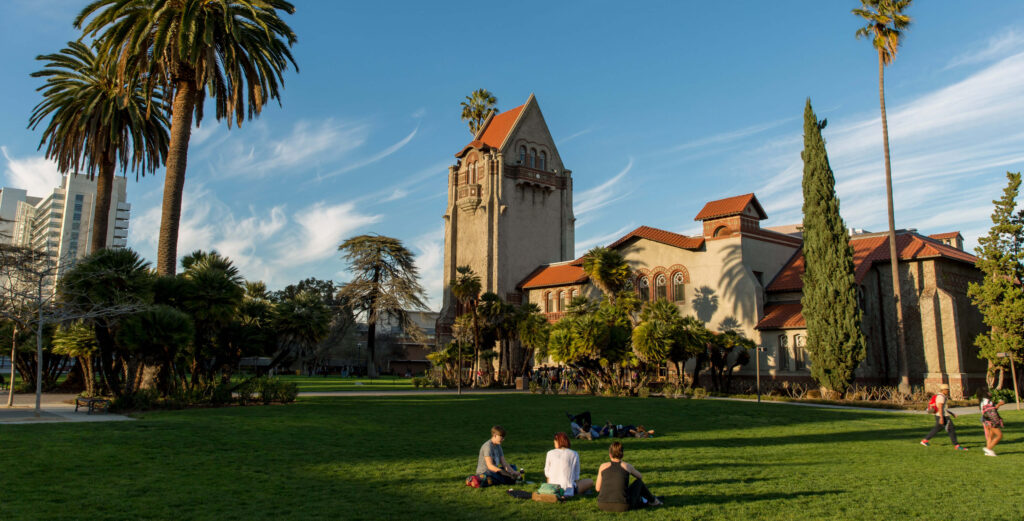
San Jose State University’s Nurse Practitioner program leads you to America’s second-best job, according to 2024 US News rankings. The career field grows faster than most others at an astounding 40% rate. California nurse practitioners earn an average of $151,830 yearly—28% higher than the national average.
SJSU’s family nurse practitioner program blends online learning with hands-on intensive sessions. Students complete at least 540 direct patient care hours spread over three semesters. These clinical rotations are a great way to get real-world experience in a variety of healthcare settings. The program requires a baccalaureate degree in nursing from an accredited institution, and applicants must maintain a minimum 3.0 GPA.
This guide covers all essential aspects of SJSU’s nurse practitioner program. You’ll learn about the curriculum details and discover what makes this accelerated path unique among other NP programs.
Types of Nurse Practitioner Programs Available
The Valley Foundation School of Nursing at San Jose State University has several specialized nursing education pathways. Students looking to become nurse practitioners can choose the Master of Science with a Family Nurse Practitioner (FNP) concentration. This program prepares registered nurses to take on advanced practice roles in primary care settings.
Students need 40 units over five semesters to complete the FNP program. The core courses (19 units) cover theoretical foundations, advanced health assessment, professional issues, pharmacology, and pathophysiology. Students also take 18 units of FNP concentration courses and finish with a 3-unit culminating experience – either a thesis or project.
The Master’s program combines synchronous and asynchronous online coursework with in-person intensive sessions. This setup lets you keep your full-time nursing job while earning your degree. Your clinical training happens with assigned preceptors throughout the Bay Area, where you’ll learn hands-on skills in a variety of healthcare settings.
San Jose State University’s Master of Science program also offers a Nurse Educator specialization. Students can enter this program with either a Bachelor’s degree in nursing or an associate degree in nursing.
The Valley Foundation School of Nursing has three Advanced Nursing Specialization programs for nurses who want specialized knowledge without a full Master’s degree:
- Wound Care
- Ostomy Care
- Foot and Nail Care
These programs help working professionals expand their career options and boost their earning potential. The job market looks promising – nurse practitioners are seeing job growth 40% higher than other occupations, with about 30,200 new positions expected each year over the next decade.
FNP program graduates gain clinical expertise, leadership skills, and evidence-based knowledge to provide complete healthcare throughout a patient’s life. You’ll be ready to assess, diagnose, and manage both acute and chronic conditions while promoting health and preventing disease. The program’s comprehensive structure will give you everything needed for national certification and California state licensure as a Family Nurse Practitioner.
Flexible Learning Formats
San Jose State University’s Family Nurse Practitioner program offers a well-planned hybrid learning model. This model helps working professionals advance their careers while meeting high educational standards. The program blends online and in-person elements to deliver a complete learning experience.
Students follow a full-time cohort model that runs for five semesters. You’ll move through your coursework with the same group of colleagues, which builds a supportive learning community. The hybrid format combines online learning modules with required in-person sessions.
The online learning happens through live and self-paced methods. Live virtual class meetings let you connect with instructors and peers directly. Self-paced components give you the freedom to learn when it fits your schedule, which helps balance your work and study commitments.
Students must attend sessions every Tuesday evening from 4:00 PM to 9:00 PM. These face-to-face meetings with faculty and peers are vital to your learning. Clinical practicum courses need extra days beyond regular Tuesday meetings. Each class offers about 20 hours of in-person hands-on learning. These campus sessions serve several key purposes:
- Delivering essential hands-on training
- Facilitating meaningful faculty interaction
- Encouraging collaborative peer relationships
- Reinforcing theoretical concepts with practical application
The clinical portion requires 45 hours of clinical preceptorship training. These experiences help you apply your knowledge in real healthcare settings under supervision as you build clinical expertise.
The program’s hybrid structure makes advanced nursing credentials available to more students. A current student shared, “This program is very flexible and allows us to maintain a full-time job and still be able to come to school and pursue a higher level degree”. So you can keep your nursing job while advancing your education.
San Jose State University’s nurse practitioner program successfully combines online convenience with targeted in-person sessions. This approach recognizes working nurses’ needs without compromising educational quality. The program makes advanced practice nursing education available widely and ensures students get the hands-on training and shared learning they need.
Admissions & Prerequisites
San Jose State University’s Nurse Practitioner program has specific qualifications and a well-laid-out application process. You’ll need an unrestricted California Registered Nursing license and a baccalaureate degree in nursing from an accredited program.
The program’s basic eligibility requirements include:
- One year of RN clinical nursing experience after getting your license
- A minimum 3.0 GPA in the last 60 units of undergraduate coursework
- No GRE required
The Cal State Apply portal needs several important documents. Your application package should include a personal statement that covers your goals, reasons for applying, and unique skills. You’ll also need to create a 3-5 minute video about your nursing experiences, upload it to YouTube, and share the public link in your application.
The program looks for candidates with two years of acute care nursing experience. You should also show your competency in physical and psychosocial assessment skills. These skills should be developed enough to perform a complete history and physical exam on an adult patient.
The Fall admission window opens October 1st of the previous year and closes around April 1st. Accepted students pay a non-refundable $250 program fee. You should also budget for background checks, drug screening, lab fees, and standard tuition.
Accepted students must show proof of health requirements, current CPR certification, professional liability insurance, and health insurance. Students are admitted in either classified or conditionally classified standing based on their qualifications. Conditional admission means you’ll need to address any deficiencies before advancing to candidacy.
Every student must complete the Graduation Writing Assessment Requirement (GWAR) to advance to candidacy[144]. Advancement also requires a “B” (3.0) average or better in at least 9 letter-graded units at the graduate level[144].
What Sets the NP Programs Apart at San Jose State University
San Jose State University’s Family Nurse Practitioner program stands out with features that prepare students for excellence in advanced practice nursing. The program has an impressive 98.7% pass rate on national certification exams for first-time test takers, which is higher than the national average. Faculty members with active clinical practices bring their expertise to the classroom.
Students get unique clinical experiences through partnerships with over 200 clinical sites in the Bay Area. Major healthcare systems like Stanford Health Care, Kaiser Permanente, and Sutter Health provide hands-on training. These placements help students learn about different patient populations in various healthcare settings.
The Nurse Practitioner program at San Jose State University puts special emphasis on interprofessional education. Students work together with peers from other healthcare disciplines to encourage the team-based approach needed in today’s healthcare. This shared learning model prepares students for modern healthcare delivery effectively.
The Valley Foundation School of Nursing’s deep community connections make this program special. Strong ties with San Jose’s underserved communities and surrounding areas give students a chance to work with diverse populations. Students develop cultural competence that is vital for patient care.
The program’s Simulation Center features advanced technology for clinical skills practice in a controlled setting. Students can improve their diagnostic reasoning and clinical decision-making skills using high-fidelity mannequins and standardized patients safely.
The program’s extensive alumni network adds great value. Graduates hold leadership positions in Northern California’s healthcare organizations. These connections create networking and mentorship opportunities that continue after graduation. This professional community helps new practitioners transition into their advanced practice roles smoothly.