5 Best Neonatal NP Programs in California for 2026
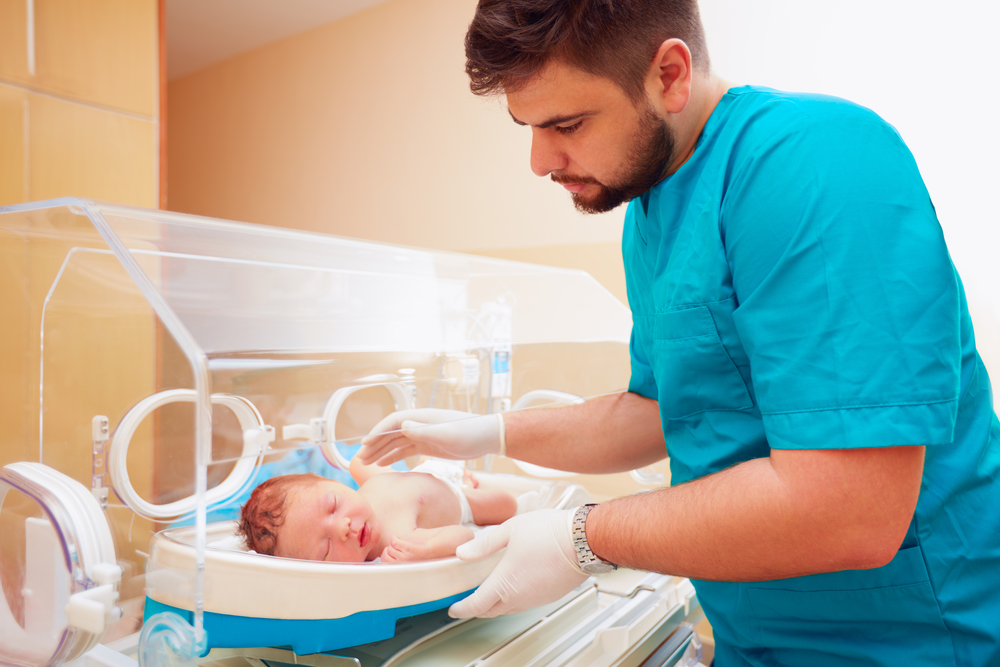
Ready to step into one of the most dynamic healthcare specialties? The training you need to provide critical care to our smallest patients is available through Neonatal NP programs in CA. Your decision to specialize comes at a perfect time, with the field expected to grow by 38% by 2032.
Life as a neonatal nurse practitioner gives you the chance to provide life-saving care to premature and severely ill newborns. These specialized professionals work in prestigious settings like UC San Diego Health, a Magnet-designated organization. They manage caseloads of critically ill neonates in facilities that represent just 10% of all U.S. hospitals.
California’s best colleges for NICU nursing include Loma Linda University, which launched one of only two neonatal nurse practitioner programs on the West Coast. You’ll find options that match your career goals, from traditional campus settings to online programs.
This detailed guide gets into the top 5 Neonatal NP Programs in California for 2025. It helps you make smart choices about advancing your education and career in this vital healthcare specialty.
1. University of California San Francisco (UCSF)
UCSF ranks among the best institutions that teach specialized neonatal nurse practitioner education in California. The university’s legacy of healthcare innovation and research excellence provides a clear path for nurses who want to advance their careers in neonatal intensive care. Let’s take a closer look at what makes this program stand out for future neonatal NPs.
Program Overview
The University of California San Francisco School of Nursing offers a Neonatal Nursing program. Students can earn their DNP (Doctor of Nursing Practice) through UCSF’s BSN Entry pathway. The program creates experts and leaders in advanced practice specialties with a focus on health policy and public health. UCSF is one of the nation’s leading academic and health care institutions. The faculty consists of nationally and internationally recognized experts who prepare nurses for the DNP degree.
UCSF’s neonatal specialty trains advanced practice nurses to provide critical care to newborns, especially those who are premature or severely ill. Students learn evidence-based practice, advanced clinical skills, and leadership development to improve care for communities of all types.
Curriculum Highlights
UCSF’s Neonatal NP curriculum builds expertise step by step. The curriculum has:
Year One Courses:
- Master of Science in Nursing Prolog
- Advanced Physiology & Pathophysiology
- Neonatal Seminar
- Advanced Health Assessment
- Neonatal & Infant Assessment and Neonatal Health Promotion
- Pediatric Physiologic Development
Year One Winter Quarter:
- Essentials of Pharmacology Across the Lifespan
- Topics in Neonatal & Pediatric Nutrition
- Advanced Scholarship in Research
- Perinatal Risk on Fetal & Neonatal Health
- Neonatal Nurse Practitioner Clinical Residency
Spring quarter courses cover Clinical Prevention & Population Health, Neonatal & Infant Pathophysiology, and Essentials of Human Genomics for Nurses, plus ongoing clinical residency. Year two focuses on complex pharmacology for neonates/infants, evidence-based project planning, and specialized coursework.
Clinical Training and Placement
Clinical placements are the core of UCSF’s neonatal program. Students get hands-on training at clinical sites throughout the San Francisco Bay Area. Many students train at the UCSF Helen Diller Medical Center, which consistently ranks among the finest hospitals nationwide.
UCSF works with prominent hospitals and clinics in the region:
- UCSF Health
- Sutter Health
- Kaiser Northern California
- Zuckerberg San Francisco General Hospital
- Stanford Health Care
- Lucile Packard Children’s Hospital
- Veterans Affairs
Students gain experience in healthcare systems of all types and with diverse patient populations, preparing them for any practice setting after graduation.
Admission Requirements
Students need to meet these requirements for admission:
- Bachelor’s degree in nursing from an accredited college or university
- Minimum GPA of 3.0 (GRE waived for those with 3.2+ GPA)
- Active California RN license in good standing
- College-level statistics course completed within 5 years of starting the program
- Professional résumé or CV (2-5 pages) showing relevant work experience
Some specialties need previous clinical experience. Students must submit a goal statement essay (maximum 500 words) that explains their professional goals and specialty choice.
Program Format and Flexibility
The BSN Entry to DNP pathway takes 11 quarters to complete. This hybrid program blends in-person and online courses with hands-on clinical training. Students develop expertise in their chosen advanced nursing specialty while studying the DNP curriculum.
Each student completes an evidence-based scholarly project about healthcare and practice issues. The School’s Office of Student Affairs helps students succeed throughout this challenging program.
Tuition and Financial Aid
The Doctor of Nursing Practice: Post-BSN program for 2024-2025 costs about $50,766 per year for California residents and $63,011 for non-residents. This breaks down into:
- Tuition: $12,762
- Professional Degree Supplemental Tuition: $23,052
- Student Health Insurance Premium: $8,578
- Various fees and additional costs
University of California employees in eligible positions can get a two-thirds reduction in Student Services Fee and Tuition. This applies to regular session courses (up to 12 units or four courses per quarter).
UCSF School of Nursing’s Student Funding Office provides administrative and counseling services. They offer scholarships, grants, traineeships, academic appointments, nursing faculty loans, and a loan repayment program to eligible U.S. citizens and permanent residents.
Certification and Career Outcomes
UCSF’s neonatal program graduates can take national certification exams in their specialty. Students learn to improve nursing practice through careful evaluation, implementation, and sharing of evidence-based innovations.
The program develops skills in:
- Knowledge for nursing practice
- Person-centered care
- Population health
- Scholarship for the nursing discipline
- Quality and safety
- Interprofessional partnerships
- System-based practice
UCSF graduates can lead in healthcare settings from hospital NICUs to outpatient clinics with their DNP degree, the highest clinical degree in the profession.
2. University of San Diego (USD)
The University of San Diego gives students amazing opportunities to become neonatal nurse practitioners. USD focuses on integrated patient care and clinical excellence. The university’s strong reputation in nursing education has helped create programs that teach advanced practice nurses how to care for vulnerable newborns.
Program Overview
USD’s Hahn School of Nursing and Health Science offers advanced nursing education through different specialized tracks. The school combines tough academics with new teaching methods to create healthcare leaders in neonatal care. USD’s nursing programs help students develop both clinical skills and compassion. Students learn from the school’s long history of nursing excellence, which helps them start their careers as confident healthcare practitioners.
Curriculum Highlights
The curriculum at USD has a complete structure that works for both full-time and part-time students. Students take core courses in advanced pathophysiology, pharmacology, and health assessment – these are the foundations of becoming a neonatal nurse practitioner. Clinical courses teach specialized skills to manage high-risk newborns and their families. The curriculum also teaches evidence-based practice principles and research methods. This helps graduates use the newest advances in neonatal care.
Clinical Training and Placement
Clinical experience is the foundation of USD’s nursing education. Students get hands-on experience in healthcare settings of all types, including Level III NICUs where they care for critically ill newborns. Students develop practical skills through clinical rotations, simulation experiences, and case studies. This hands-on training helps graduates provide specialized care to high-risk infants with confidence.
Admission Requirements
Students need to meet these key requirements to join USD’s advanced practice nursing programs:
- Bachelor’s degree in nursing from an accredited institution
- Active, unencumbered RN license
- Minimum GPA requirement (typically 3.0 or higher)
- Professional resume detailing clinical experience
- Personal statement explaining career goals
- Letters of recommendation
The admission process is competitive. Students who show academic excellence and relevant clinical experience have better chances.
Program Format and Flexibility
USD knows working professionals need flexibility. Students can choose full-time or part-time study plans with hybrid learning options. Nurses can keep working while getting their advanced degree. The program structure helps students balance their work, studies, and personal life even though graduate nursing education is demanding.
Tuition and Financial Aid
Here’s what USD’s graduate nursing programs cost for 2024-2025:
| Program | Units | Estimated Tuition |
| MSN | 45-57 | $78,750-$99,750 |
| BSN to DNP | 73-82 | $128,750-$147,600 |
| MSN to DNP | 34 | $61,200 |
Students pay $1,750 per unit for MSN programs and $1,800 per unit for DNP programs. They should also plan for books and supplies ($1,080 yearly), San Diego housing ($22,166 yearly), and personal expenses ($5,052 yearly).
USD offers these financial aid options:
- Merit scholarships
- Need-based grants
- Federal loans
- Work-study opportunities
Students must pay a $55 application fee and a $500 enrollment deposit that goes toward tuition later.
Certification and Career Outcomes
USD’s advanced practice nursing programs prepare graduates well for national certification exams in their specialty areas. Students learn everything they need to pass certification exams and excel in clinical practice. USD nursing graduates regularly do well on certification exams and get jobs at prominent healthcare institutions.
USD graduates can work in:
- Hospital NICUs
- Outpatient clinics
- Transport teams
- Academic medical centers
- Community hospitals
Students learn both clinical expertise and leadership skills at USD. This helps them move into administrative and educational roles as they advance in their careers. They become valuable members of the neonatal healthcare community.
3. Loma Linda University
Loma Linda University started a unique neonatal nurse practitioner program that’s the second of its kind on the West Coast. This institution combines faith-based healthcare education to give nurses a complete pathway for specialized training in neonatal care.
Program Overview
Loma Linda University’s neonatal nurse practitioner (NNP) concentration prepares nurses to lead healthcare systems. The program helps nurses care for low and high-risk neonates and their families in healthcare settings of all types. Students work in neonatal intensive care units, labor and delivery, well baby units, outpatient clinics, and transport services. This specialized track helps students provide critical care to ill and recovering newborns while they work with maternal-child healthcare teams. The program, one year old, fills a crucial gap for neonatal specialists in California.
Curriculum Explains
The curriculum at Loma Linda follows a well-laid-out approach with 120 quarter units (79 semester units). Students complete four main components:
- Core Courses (49 units): Students learn advanced role development, evidence-based practice foundations, healthcare systems leadership, health policy, social determinants of health, finance, statistics, research, and professional writing.
- Concentration Courses (14 units): Students study neonatal advanced pharmacology, health assessment, advanced practice pharmacology, and clinical pathophysiology.
- Clinical Courses (38 units): Students complete skills lab and practicum experiences through six sequential courses (Neonatal Nurse Practitioner I through VI) with increasing clinical responsibility.
- DNP Project (19 units): Students work on a practice inquiry project and document 510 doctoral leadership practice hours in a professional portfolio.
Clinical Training and Placement
Clinical training is essential to Loma Linda’s NNP program. Students complete 750 clinical hours through direct patient care experiences. These hours build up in complexity and responsibility throughout the program. Students must document 510 doctoral leadership practice hours for their DNP project before graduation. This hands-on preparation gives graduates the technical skills and leadership capabilities they need for advanced neonatal practice.
Admission Requirements
Students need to meet these requirements for admission:
- Bachelor’s degree in nursing from an accredited institution
- 0 GPA minimum (both cumulative and in nursing coursework)
- Current unencumbered United States RN license
- California RN license before starting classes
- One year minimum of full-time RN experience
- Current American Heart Association Basic Life Support (CPR) certification
- Neonatal Resuscitation Program (NRP) certification before matriculation
- Two electronic recommendations (one from a recent nurse manager/director)
- Emotional Intelligence Interview with program faculty
Program Format and Flexibility
The NNP program uses an innovative “Hyperflex” model. Students can attend either in person or online for select core courses through a mix of online instruction and scheduled live sessions. Some courses require campus attendance for labs, simulations, or clinical intensives. Students typically finish in four years (15 academic quarters) with less than full-time enrollment. Full-time students can complete the program in about 3 years and 9 months.
Tuition and Financial Aid
Graduate nursing programs at Loma Linda cost $947 per credit. International students must pay an $8,000 deposit that goes toward their final quarter’s tuition. Students can get scholarships ranging from $500 to $3,000 per quarter. They become eligible for scholarships after their first quarter and can apply again each quarter. The university also rewards excellence in nursing, scholastic achievement, and leadership ability.
Certification and Career Outcomes
Graduates can take the National Certification Corporation’s (NCC) examination to become certified neonatal nurse practitioners. This nationally recognized certification is crucial for NNP practice. The curriculum prepares students for all examination requirements. Graduates work in various settings like NICUs, labor and delivery units, well-baby units, outpatient clinics, and neonatal transport services. The program’s leadership focus also opens doors to roles in administration, education, and research within neonatal care.
4. Azusa Pacific University
Azusa Pacific University blends Christian values with neonatal nursing education to create practitioners who excel in both clinical expertise and spiritual care. Their School of Nursing ranks nationally and prepares nurses who deliver compassionate care in a variety of healthcare settings.
Program Overview
The university’s Pediatric Nurse Practitioner–Primary Care (PNP-PC) program focuses on neonatal care. This advanced practice specialty includes direct client assessment, diagnosis, treatment, advocacy, and family education. Students learn through hands-on clinical experience and develop essential primary health skills needed to thrive in pediatric practice. The program prepares you to obtain California state licensure and national certification as a Pediatric Nurse Practitioner.
Curriculum Emphasis
The program requires 44-50 units split into four key areas:
- Academic core courses (10 units): These cover bioethics, healthcare policy, and spiritual concept analysis
- Academic and advanced practice core courses (14 units): You’ll study family theory, pediatric health assessment, advanced pathophysiology, and pharmacology
- Advanced practice specialty courses (19 units): The focus is on pediatric primary health care and clinical practicum
- Concluding courses: You can choose between a complete examination or thesis option
Clinical Training and Placement
The program merges classroom learning with clinical experience. Each course clearly shows classroom to clinical unit ratios. Students learn to serve patients from different cultural and ethnic backgrounds, with special attention to underresourced populations. This approach gives you skills to handle ground pediatric care situations.
Admission Requirements
The application process needs several items: a graduate application with $45 fee, official transcripts showing a 3.0 GPA minimum, a statement of professional goals, your RN license, current résumé, and two professional recommendations. Students with lower GPAs might receive provisional admission by showing competency through other means.
Program Format and Flexibility
Working professionals will appreciate the program’s evening lectures, flexible clinical placements, and part-time study options. You can advance your career while you retain control of your current nursing position.
Tuition and Financial Aid
Each unit costs $895, bringing the total program cost to $29,535-$33,115. Students can access federal loans, state grants, and specialized nursing scholarships. The university’s Yellow Ribbon and Military Friendly status offers significant benefits to service members. Graduates who become nursing faculty can get up to 85% of their loans forgiven through the Nurse Faculty Loan Program.
Certification and Career Outcomes
After graduation, you can pursue California Board of Registered Nursing certification and national PNP-PC certification through examination. California nurse practitioners earn an average of $158,130 annually. This career path offers strong financial rewards and excellent job prospects in the coming years.
5. California State University Long Beach (CSULB)
CSULB School of Nursing excels with remarkable results. Their NCLEX-RN first-time pass rates have stayed close to 100% for the last five years. The nurse practitioner programs also show excellent certification passing rates. Future neonatal care specialists will find valuable training opportunities here.
Program Overview
CSULB’s School of Nursing has evolved from offering a Master of Science in Nursing to a BSN-to-DNP program. The program now covers five nurse practitioner specialty areas, including Pediatric Primary Care. This professional degree creates advanced practice nurses ready for complex roles. Students develop high-level skills in their chosen specialty. Graduates can use evidence-based research and advocate for health policies that affect neonatal and pediatric patient care.
Curriculum Explains
The BSN-to-DNP program needs 72 semester units and takes three years of full-time study. Here’s how the coursework breaks down:
- 39 units (54.67%) of core courses
- 24 units (33.33%) of clinical specialty courses
- 9 units (12.5%) of doctoral project
Students choosing the Pediatric Primary Care track take specialized courses. These include Pediatric Theories for Advanced Practice Nursing (4 units) followed by hands-on clinical studies.
Clinical Training and Placement
The program requires at least 1,000 clinical hours in your chosen specialty. Students can complete these hours at different healthcare facilities. You might work at your current workplace but not in your regular unit.
Admission Requirements
You’ll need a bachelor’s degree in Nursing, a current unrestricted California RN license, and an overall GPA of 3.0 or better. The selection process includes an interview with one or two nursing faculty members and a writing test.
Program Format and Flexibility
Classes combine face-to-face and online sessions. The program runs for eight consecutive semesters, and new groups start each Fall. Students should plan their work schedules around the program’s demands.
Tuition and Financial Aid
The 2024-2025 costs depend on how many classes you take. Full-time graduate students who live in California pay about $4,978 per semester. Students can apply for scholarships, grants, and federal loans to manage these costs.
Certification and Career Outcomes
After graduation, you can take national certification exams in your specialty area. The program’s emphasis on evidence-based practice and leadership creates skilled practitioners ready for neonatal and pediatric healthcare roles.
Make Your Choice Today
Your career advancement in specialized healthcare depends on picking the right neonatal NP program. Seven exceptional California institutions offer complete education and training for aspiring neonatal nurse practitioners. Each program has its unique strengths and shares a commitment to developing skilled clinicians who can provide life-saving care to our most vulnerable patients.
These programs give you the advanced knowledge and clinical expertise to excel in intensive care nurseries, transport services, and outpatient settings. Clinical training is the substance of your education. Most programs require 750-1,000 hours of hands-on experience in prestigious California healthcare facilities.
A BSN degree, active California RN licensure, clinical experience, and strong academic performance are standard admission requirements. Tuition costs vary substantially between institutions. Most schools offer substantial financial aid through scholarships, grants, and loan programs designed for nursing students.
You can choose from traditional campus-based instruction to innovative hybrid models that combine online learning with in-person components. This flexibility helps you select an educational pathway that lines up with your professional and personal needs.
Neonatal nurse practitioners have exceptional career prospects, with 38% projected growth by 2032. Program graduates consistently achieve impressive certification pass rates. This positions them for success in a field where specialized expertise commands professional respect and competitive pay.
Starting a journey to become a neonatal nurse practitioner takes dedication and perseverance. But caring for premature and severely ill newborns brings exceptional professional fulfillment. UCSF’s prestigious program, Loma Linda’s faith-based approach, or any other institution in this piece can lead you to a rewarding career. You’ll make profound differences in countless infants’ lives and their families.