
Nurse Practitioner at Sonoma State University
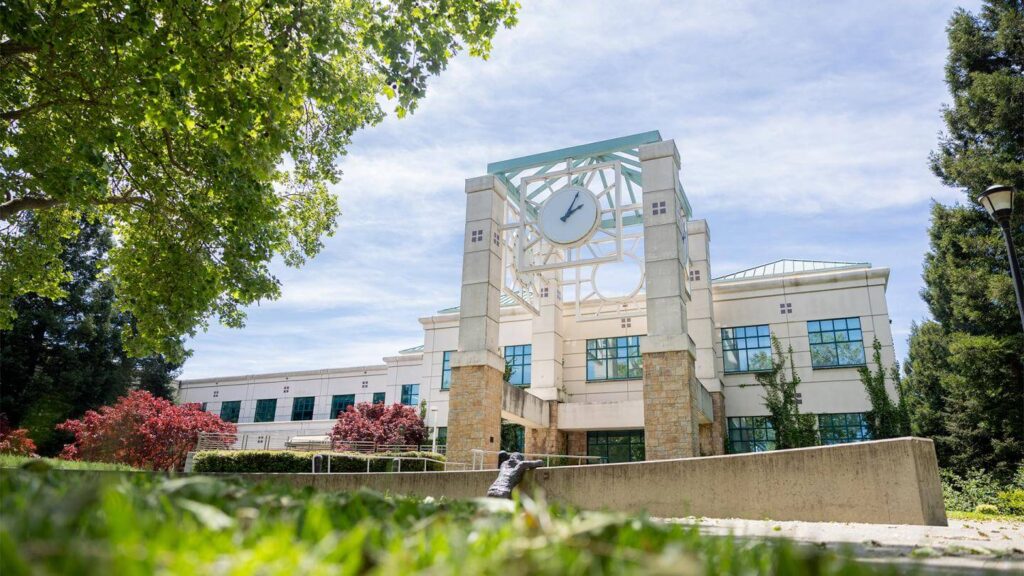
Sonoma State University has been the core of nursing education over 50 years. The Department of Nursing has helped shape more than 4,000 Nurse Practitioners, Nurse Educators, and Nurse Leaders who now serve at local, state, national, and global levels. This remarkable achievement shows the university’s steadfast dedication to healthcare excellence.
Students who graduate from Sonoma State become exceptional, highly qualified nursing professionals. Your education will give you the skills to work in a variety of healthcare environments, from community health agencies to advanced practice settings and acute care facilities. You’ll graduate ready to meet what modern healthcare just needs.
Sonoma State’s nursing philosophy centers on equity and inclusive excellence. The faculty creates a nurturing learning environment by practicing a caring philosophy. This makes the program unique with its focus on social justice awareness and health equity.
“Our program creates amazing, fantastic nurses who are educated to the highest level of excellence,” says Dr. Krista Altaker, Chair of SSU’s Department of Nursing. The department takes pride in maintaining transparent, high-quality standards for both professional skills and interpersonal competencies.
The curriculum embeds equity within its theoretical framework. The department has also updated internal policies to arrange with their core values. This shows their intention to address bias while encouraging students to develop similar awareness in their practice.
The program stands strong with prestigious accreditations. The Commission on Collegiate Nursing Education accredits the baccalaureate degree program, master’s degree program, and post-graduate APRN certificate program at Sonoma State University. The California Board of Registered Nursing has also approved the institution.
Students can choose from several nursing pathways based on their career goals. These paths include Pre-Nursing, Pre-Licensure BSN, Post-Licensure BSN, Master’s of Science in Nursing, and Post-Master’s options. The Family Nurse Practitioner program prepares registered nurses with bachelor’s degrees for advanced clinical practice that promotes individual and family wellness.
Healthcare faces growing shortages of primary care physicians, and Sonoma State’s nurse practitioner graduates have become vital members of the healthcare workforce. Under Dr. Rich Fidler’s leadership, enrollment has grown substantially—25% in the post-licensure BSN program and 40% in the MSN-FNP program.
Types of Nurse Practitioner Programs Available
Sonoma State University helps nurses become Family Nurse Practitioners through its accredited nursing department. The university’s program options align with your educational background and career goals.
The core of the department is the Master of Science in Nursing (MSN) with Family Nurse Practitioner emphasis. This detailed program prepares registered nurses who have bachelor’s degrees to advance their clinical practice. Students complete 46 semester units that build theoretical and scientific foundations to diagnose and treat common illnesses. The program includes health teaching, counseling, and preventive services.
Students can choose between two scheduling options:
- A four-semester, two-year full-time track
- A six-semester, three-year part-time track
Nurses who already have a master’s degree in nursing can pursue a Post-Master’s FNP Certificate. This 36-unit program helps registered nurses expand their credentials into family nurse practitioner practice.
The FNP specialty develops advanced clinical skills through history-taking, physical examination, health screening, illness management, and preventive care techniques. Students complete a four-semester clinical preceptorship with a primary care provider.
The program’s graduates take on greater responsibilities in clinical practice and advocacy, especially when dealing with healthcare needs of underserved populations.
Students need computer and internet proficiency since most coursework is web-based. The program serves Sonoma State’s geographic areas, including Chico, Redding, Turlock, Modesto, Stockton, and Merced.
The Commission on Collegiate Nursing Education and California Board of Registered Nursing fully accredit both program options. This accreditation ensures high professional standards. The FNP option meets all criteria in Section 1484, Title XVI of the California Administrative Code.
Flexible Learning Formats
Sonoma State University’s Nurse Practitioner program blends advanced technology with a flexible learning approach. The majority of classes are delivered online, though some hands-on components need in-person attendance. Students can continue their careers while pursuing higher education through this hybrid model.
Physical assessment classes meet once weekly in Sonoma or Chico. This smart scheduling lets students get hands-on training under faculty supervision without disrupting their work life.
The program’s progress shows its dedication to staying available to more students. Sonoma State led the way by telebroadcasting using first-generation CODEC systems that the Instructional Media Department purchased. The program switched to web-based teaching as technology improved. This became the main way to reach students at rural campuses.
Students need strong computer and internet skills before they start the program. These skills help them succeed not only in their studies but also in today’s digital healthcare world where electronic health records and telehealth are standard practice.
The hybrid format makes advanced nursing education available to professionals everywhere, especially those in remote areas who need it most. Many nurse practitioner students work full-time and can’t attend traditional campus-based programs.
The program matches nationwide trends as nursing schools add more digital elements while keeping their high standards. Sonoma State’s nurse practitioner program gives students a practical way to advance their nursing careers. They can learn and grow professionally without giving up their current jobs.
Admissions & Prerequisites
Sonoma State University’s Family Nurse Practitioner program has specific admission requirements. Students need a Bachelor of Science in Nursing degree (BSN preferred). The program also accepts applicants who have a baccalaureate in another field with nursing licensure. The department evaluates candidates based on their minimum 3.0 GPA from their last 60 units of undergraduate or postgraduate coursework.
Your professional credentials play a significant role in the application process. A current California registered nurse license without any pending or imposed disciplinary action is mandatory[132]. The program values candidates with two years of full-time registered nurse experience[132].
The application process involves multiple steps:
- Submit the standard CSU Graduate Application (fee required) between October 1 and January 31[132]
- Complete the MSN FNP Supplemental Application (fee required) between December 1 and January 31
- Pay the School of Nursing Application Fee (non-refundable) by January 31
Your supplemental application should include:
- Completed NursingCAS Application
- Official transcripts sent to NursingCAS
- RN license verification through Breeze
- Required essay in the documents section
Students must complete college-level statistics with a B grade or higher[132]. Qualified candidates will interview with the Program Director and/or Assistant Director during the selection process.
Sonoma State’s BSN graduates must submit both the standard CSU application and supplemental nursing application to apply for graduate standing. Students should start preparing their application materials early before the deadlines.
These high standards help ensure admitted students can handle the program’s academic and clinical demands. Successful applicants become part of an elite group of future healthcare leaders pursuing advanced practice nursing education at Sonoma State University.
What Sets the NP Programs Apart at Sonoma State University
The Family Nurse Practitioner program at Sonoma State University stands out with its rich heritage in nursing education through several remarkable features. A steadfast dedication to social justice and health equity shapes every aspect of the curriculum. This approach prepares graduates who tackle healthcare disparities with both clinical expertise and ethical awareness.
Sonoma State’s nurse practitioner training sets itself apart by focusing on rural healthcare delivery—a critical need throughout Northern California. Students get unique clinical opportunities in underserved communities that desperately need primary care providers.
Small cohort sizes create intimate learning environments and strong professional relationships. Faculty mentors offer individual-specific guidance throughout your educational trip, unlike typical academic production lines.
The Sonoma State University nurse practitioner program delivers high-quality education at an affordable cost compared to private universities. Their master of science in nursing family nurse practitioner curriculum adapts continuously to include emerging healthcare trends and evidence-based practices.
Graduate outcomes truly set the Sonoma State University NP program apart. Alumni report high satisfaction rates and show strong performance in certification exams and clinical practice. These graduates make an even bigger impact by staying within the region to serve the healthcare needs of communities where they trained.