
Nurse Practitioner at San Francisco State University
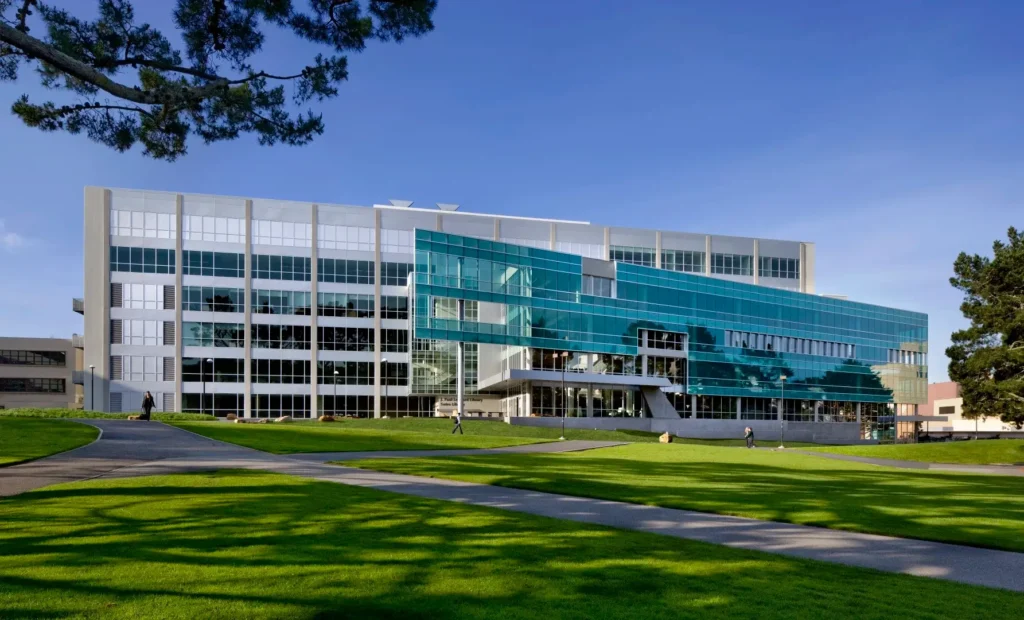
San Francisco State University’s School of Nursing has over 50 years of excellence in nursing education for aspiring healthcare professionals. The program is 68 years old, starting in 1955 as a School Nurse Program within the Division of Education. The program went through substantial changes over decades to meet healthcare needs. The original focus was school nursing, but by the mid-1960s, it expanded to prepare nurses for all practice settings.
The nursing school’s journey led it through several locations. It moved from the Education building to Mary Ward Hall in 1970, then to the Science building in 1972, before settling in its current home at Burk Hall in 1996. A defining moment came in 1994 when university restructuring raised the Department of Nursing to the School of Nursing within the College of Health and Human Services.
SFSU School of Nursing now serves more than 500 students across six distinct programs. The school prepares nurses to reshape healthcare’s future with a steadfast dedication to breaking down systems of oppression through nursing practice. The core team includes skilled clinicians, advanced practice nurses, scholars, and educators who create comprehensive curricula for both undergraduate and graduate studies.
The school offers these educational pathways:
- Bachelor of Science in Nursing (Prelicensure) – students prepare for entry-level positions in this two-year program
- ADN to BSN program helps registered nurses complete their bachelor’s degree
- Entry Level Master of Science in Nursing welcomes non-nursing bachelor’s degree holders
- Master of Science in Nursing with Family Nurse Practitioner concentration
- Post-Master’s Family Nurse Practitioner Certificate
Competition runs high for the prelicensure BSN program. Each academic year sees over 1,000 applications for just 60 spots. Graduates prepare for the NCLEX-RN examination and careers in maternity, pediatrics, medical-surgical nursing, gerontology, psychiatric/mental health, and public/community health nursing.
The school takes pride in its multicultural, multi-ethnic student and faculty population. This shows in its mission to promote diversity in nursing by recruiting, supporting, and mentoring students, faculty, and staff to advance equity and inclusion.
Healthcare needs and delivery systems keep changing. SFSU School of Nursing adapts its curricula to prepare future nurses who can tackle tomorrow’s healthcare challenges effectively.
Types of Nurse Practitioner Programs Available
San Francisco State University has multiple paths to become a Nurse Practitioner. These programs help students at different stages of their nursing careers. You’ll be ready for California NP licensure and national board certification through the American Academy of Nurse Practitioners and American Nurses Credentialing Center.
The Post Master’s Family Nurse Practitioner Certificate (FNP) needs 31 units. You can finish it in 15 months with full-time study. This program works best if you already have a master’s degree in nursing and want to expand your qualifications. Classes meet during evenings every other week. This schedule lets you keep your current job while completing clinical practicum hours during business hours.
The Master of Science in Nursing: Concentration in Family Nurse Practitioner requires 52 units with 600 clinical hours. This detailed program gets you ready for primary care practice with patients of all ages. You’ll study core nursing courses along with specialized FNP training.
Registered nurses looking to advance their careers can choose the RN-MSN Family Nurse Practitioner Concentration. This path gives you advanced practice skills in physical diagnosis, psychosocial assessment, and health-illness management in primary and acute care settings.
SFSU also offers an Entry Level Master of Science in Nursing (ELM) if you have a non-nursing bachelor’s degree. This six-semester program prepares you for the NCLEX-RN exam while earning both BSN and MSN degrees.
Every nurse practitioner program at SFSU teaches you to:
- Assess, diagnose, treat, and manage patient’s health needs across all age groups
- Provide detailed primary care services, including preventative care and health promotion
- Deliver restorative care to patients with complex, acute, and critical conditions
- Work independently and collaboratively with other healthcare professionals[71]
After graduating, you can work in many settings like community health centers, private practices, hospitals, specialty clinics, and educational institutions. These programs build your advanced practice nursing knowledge through supervised direct patient care experiences.
Flexible Learning Formats
San Francisco State University’s Nurse Practitioner programs cater to working professionals. You can attend classes in a hybrid format every other week and continue your professional practice while advancing your education. The Post Master’s FNP Certificate offers evening classes that give you extra flexibility as you move through the 31-unit program over just 15 months.
Your schedule needs some flexibility. Clinical practicum hours must be completed during regular business hours (Monday through Friday). This hands-on experience helps you develop practical skills needed to become a nurse practitioner.
SFSU stands out because of its built-in support system. Nurse Practitioner faculty members provide continuous advising and mentoring to help you balance work commitments, academic studies, and personal life. This guidance proves valuable when managing multiple responsibilities becomes challenging.
Small class sizes create a shared learning environment. Students connect meaningfully with their cohort members and build a supportive community throughout their educational experience. This close-knit atmosphere leads to more individual attention from instructors and peer-to-peer learning opportunities.
Nurse practitioner education keeps evolving nationwide. Many programs now include innovative approaches like hybrid, accelerated, and dual-degree options that streamline education. San Francisco State University pioneers these educational breakthroughs, preparing you for a healthcare world that changes faster every day.
SFSU’s Nurse Practitioner program combines structured learning with flexible scheduling. This makes it especially available when you have a busy professional life and want career advancement without leaving your current role. The program boosts your professional experience rather than disrupting it.
Admissions & Prerequisites
The Nurse Practitioner at San Francisco State University program has specific prerequisites you need to know about.
Students applying to the Post Master’s FNP Certificate program need 2,000 hours of RN work experience or one year of experience. They should have graduated from an accredited nursing master’s or doctoral program with a minimum 3.0 GPA in the last 60 units. A current California RN license and recent clinical experience are also required.
The RN-MSN program needs candidates to have a valid California RN license and one year of clinical experience. They should hold a BSN degree from a regionally accredited institution with a 3.0 GPA in the last 60 semester units.
The Entry Level MSN program requires:
- California resident status or eligibility to pay in-state tuition
- Bachelor’s degree with 3.0 GPA in the last 60 semester units
- Experience working or volunteering in healthcare
- Grades of C or better in prerequisite courses taken within seven years (Human Anatomy with Lab, Human Physiology with Lab, Chemistry with Lab, Microbiology with Lab, and Statistics)
Students must submit applications through both Cal State Apply and NursingCAS by February 1. You’ll need to submit these materials at the same time:
- A personal statement about your goals
- Official transcripts from every institution you attended
- Three recommendation letters (one must discuss your health-related experience)
- An updated resume or curriculum vitae
The school won’t accept any application materials after the deadlines. Once admitted, students must show proof of health requirements and professional liability insurance.
What Sets the NP Programs Apart at San Francisco State University
SFSU’s Nurse Practitioner programs take an all-encompassing approach to advanced nursing education. These programs go beyond clinical excellence and weave social justice and healthcare equity into their coursework, making them different from other competing programs.
San Francisco State University’s Nurse Practitioner program stands out with its excellent faculty-to-student ratio that creates tailored learning experiences. Students receive direct mentorship from practicing nurse practitioners who bring their real-life expertise to the classroom in this intimate educational setting.
The program’s clinical placement process makes it unique. Students get access to over 200 healthcare facilities throughout the Bay Area through long-standing partnerships. Faculty coordinators also work one-on-one with each student to find clinical sites that align with their career goals and learning needs.
SFSU weaves cultural competency into every aspect of the curriculum. Students learn to work with California’s diverse patient populations – a vital skill in today’s healthcare world.
San Francisco’s prime location gives students unique access to world-class healthcare institutions. Students enjoy exceptional clinical learning opportunities that they won’t find anywhere else.
Graduates leave the program with advanced clinical skills and a complete understanding of healthcare systems. They gain advocacy tools and know how to drive positive change in patient outcomes across communities of all types.