
University of San Francisco Nurse Practitioner Program
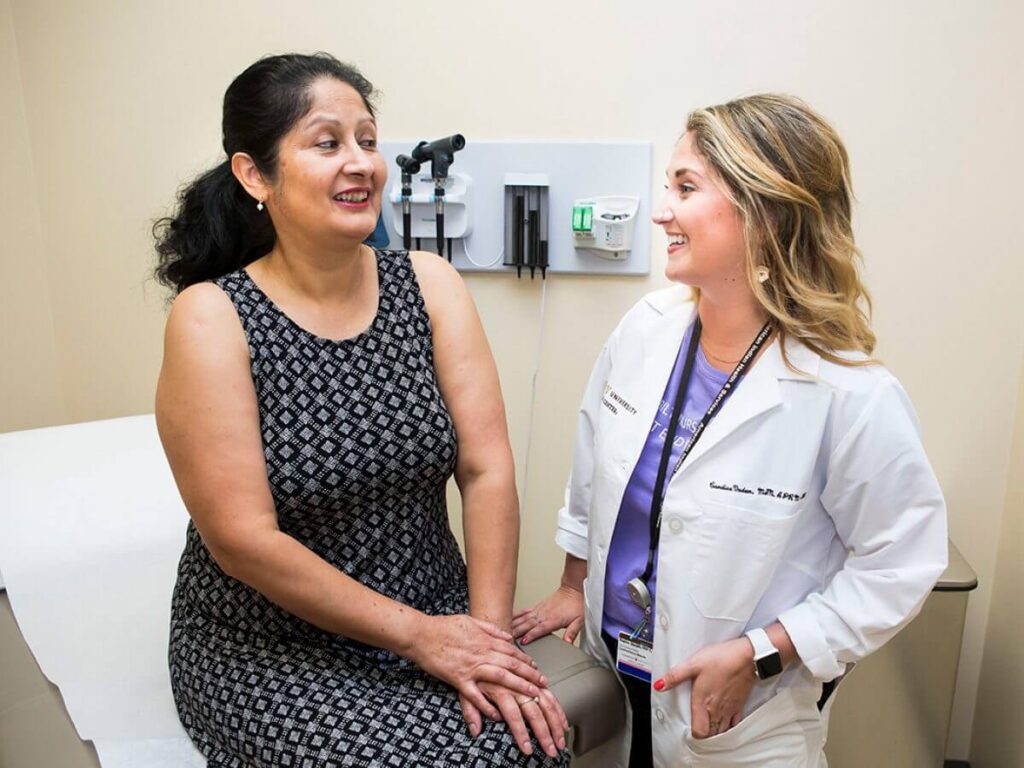
Looking to become a nurse practitioner at the University of San Francisco but not sure which program best matches your career goals? The University of San Francisco distinguishes itself from other nursing schools, especially when you have a passion for helping underserved communities.
USF’s nurse practitioner program puts special focus on rural and medically underserved populations. Students get exposure to the Nurse Practitioners and Communities Together (NPCT) HRSA grant, which goes beyond standard clinical training to support those who want to improve health outcomes in vulnerable communities. The program provides a comprehensive education with better tools to assess information for sound patient care decisions. USF’s faculty actively motivates students to include advocacy for underserved populations as part of their professional trip.
This guide reveals lesser-known aspects of USF’s nurse practitioner programs that most applicants miss. You’ll find unique learning opportunities and admission requirements that could help you stand out from other candidates.
Nursing School Overview
The University of San Francisco School of Nursing and Health Professions traces its roots to 1948. It started as a partnership with the Sisters of Mercy that helped registered nurses from St. Mary’s Hospital earn their baccalaureate degrees. The school became an independent department in 1954 and stands as California’s first private nursing program. During its 70+ year trip, the school has managed to keep its accreditation status continuously for more than five decades.
The National League for Nursing recognized the school as a 2025 Center of Excellence in Nursing Education. This honor reflects its dedication to student learning and professional growth. The Commission on Collegiate Nursing Education has accredited the baccalaureate, master’s, and Doctor of Nursing Practice programs. The California Board of Registered Nursing has also approved these programs.
34 full-time faculty members currently guide 274 graduate nursing students in the university of san francisco nurse practitioner program. The school serves about 1,300 students across eight degree programs. Students benefit from a skills laboratory on Cowell Hall’s first floor and a modern simulation center that helps develop clinical judgment.
The university grew its programs steadily. It launched the Master of Science in Nursing degree in 1984 and added Clinical Nurse Leader certification in 2005. USF made history in 2007 as California’s first institution to offer working nurses a Doctor of Nursing Practice degree. The school later introduced a Master of Public Health program (2011), Doctor of Psychology (2013), and Master of Health Informatics (2016).
The University of San Francisco nurse practitioner program stays true to its Jesuit academic roots. It combines strong liberal arts and science foundations with professional nursing knowledge. The curriculum focuses on whole-person care – body, mind, and spirit – and makes shared leadership in practice possible. The school continues its steadfast dedication to justice, service, and academic excellence. It prepares healthcare leaders who promote equitable, compassionate care in communities of all types.
Types of Nurse Practitioner Programs Available
The University of San Francisco has created multiple paths for nurses who want to become nurse practitioners. Each path fits different educational backgrounds and career goals. The Doctor of Nursing Practice (DNP) Family Nurse Practitioner program leads these offerings and gives registered nurses with a Bachelor of Science in Nursing or Master’s degree the skills they need for advanced healthcare leadership roles. Students learn to design healthcare delivery models, assess clinical outcomes, spot healthcare needs in different populations, and use technology to advance the field.
Nurses with BSN degrees can choose several entry points, including a BSN-to-DNP track that leads straight to doctoral studies. Those who already have Master’s degrees can take the MSN-to-DNP path to build on their years of expertise. USF also features an innovative dual degree program that combines the DNP with a Master of Public Health (MPH), creating a powerful mix of healthcare leadership skills.
The Family Nurse Practitioner program gives students complete preparation for their future roles. FNPs deliver patient care in many settings – from community agencies and homes to hospitals, private practices, clinics, and schools. They work both on their own and with other healthcare professionals. Their focus includes health promotion and disease prevention, and they conduct full assessments, diagnose acute illnesses, and help patients manage chronic conditions.
USF’s specialized post-graduate certificates add to these options. The Psychiatric Mental Health Nurse Practitioner (PMHNP) certificate teaches graduates to diagnose, conduct therapy, and prescribe medications. They help patients with psychiatric disorders, medical organic brain disorders, or substance abuse problems. PMHNPs provide emergency psychiatric care, create treatment plans, manage patient care, and guide families and staff as consultants or educators.
The programs work around students’ schedules. Classes meet at the Hilltop campus in San Francisco during teaching weekends (Friday-Saturday) twice each month, plus required practicum hours. A mix of in-person and online coursework makes these programs available to working nurses who want to advance their careers while keeping their current jobs.
Flexible Learning Formats
The University of San Francisco designs its nurse practitioner programs with a unique weekend schedule that helps professionals balance their work and studies. Students need to visit campus only twice monthly for concentrated learning sessions. These teaching weekends run from 8 a.m. to 9 p.m. on Fridays and 8 a.m. to 5 p.m. on Saturdays. Students get a lunch break between 12:00 and 1:00 p.m. during Saturday sessions. This focused schedule lets you advance your nursing education while maintaining your career.
The program uses a hybrid learning model that combines online and in-person classes. Core NP courses like Advanced Pathophysiology (N706) and Applied Pharmacology (N707) take place online during teaching weekends. Practical courses such as Advanced Physical Assessment Practica (N7220) and Family Nurse Practitioner Clinical Courses (N7230/N7240, N7250/N7260, N7270/N7280, and N7290) require in-person attendance during these weekends.
The program follows a three-semester system with fall, spring, and summer terms. Students can progress through the program efficiently with this year-round structure. The FNP certificate track can be completed in as little as one year. All the same, students have flexibility with their course load, though taking fewer courses each semester might extend completion time.
F-1 visa holders should note that regulatory limits on online study typically make them ineligible for these programs.
Admissions & Prerequisites
The University of San Francisco nurse practitioner program has several core qualification standards. Students need either a Bachelor of Science in Nursing or a Master’s degree from an accredited institution. A minimum 3.0 GPA on a 4.0 scale is recommended. Students with GPAs above 2.75 might qualify too.
Your application package must be complete. You’ll need three recommendation letters that showcase your academic abilities and professional potential. Nursing faculty, clinical instructors, nursing supervisors, or advanced healthcare providers should write these letters.
Here’s what you need to submit:
- A goal statement that explains why you want to pursue advanced nursing education
- Your current professional resume
- Official transcripts from every college/university you attended
- A valid California RN license
- The application form with payment
The university will let you know their decision within three to four weeks after you submit everything. Good news – the GRE is not required for DNP program applicants. This makes the process easier.
International students must show proof of English proficiency. F-1 visa holders should know that online study formats might affect their eligibility due to regulatory limits.
What Sets the NP Programs Apart at University of San Francisco
The University of San Francisco’s nurse practitioner program stands out with its steadfast dedication to social justice and ethical responsibility. This program’s Jesuit roots have shaped a curriculum that strives to create “a more humane and just world”, going well beyond basic clinical training.
Students learn to advocate for underserved populations as a fundamental part of their education. The faculty pushes students to maximize their practice potential while serving rural and medically underrepresented communities.
A remarkable feature lets students pursue a dual degree option to earn both a Doctor of Nursing Practice and Master of Public Health in five years instead of six. Students can tackle health disparities at both individual and community levels through this cross-disciplinary approach.
Students learn much more than clinical skills. The program covers “ethics, epidemiology, health systems, and evidence-based practice” to help students become change agents. Graduates are ready to take certification examinations from either the American Nurses Credentialing Center or the American Academy of Nurse Practitioners Certifying Board.
The program develops healthcare providers who can “combine knowledge in nursing, ethics, and medical sciences” to create innovative care delivery models. Graduates emerge not just as practitioners, but as leaders ready to reshape healthcare through research and policy development.